Question of Privilege
March 9, 1993
Matters touching upon the Chair: chairing of Progressive Conservative Party Convention by the Deputy Speaker
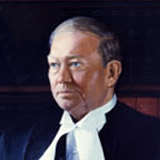
Hon. John Fraser
Speaker of the House
Ruling Text
The Speaker:
Yesterday the honourable House Leader of Her Majesty's Loyal Opposition rose on a question of privilege claiming that the Deputy Speaker, the honourable Member for Saint-Hyacinthe-Bagot was guilty of a contempt of the House for accepting to co-chair the Progressive Conservative leadership convention in June 1993.
Normally the Chair would not allow comment on the conduct of a Chair occupant to come before the House in such a manner. There is a formal and well-established procedure whereby Chair occupants can be censored. I allowed the discussion because the honourable Member insisted on proceeding forthwith and pointed out, as subsequently also did the honourable Member for Mission—Coquitlam, that the Deputy Speaker's performance in the House was above any reproach and was not in question.
I have had an opportunity to review the comments honourable Members have made and I wish to thank all those who sought to assist the Chair in this most delicate issue.
I have reviewed the procedural authorities and have found much comment on the role and impartiality of the Speaker but regretfully very little on the Deputy Speaker. Practice and conventions vary greatly throughout the Commonwealth. In Canada, Deputy Speakers invariably, during majority governments, are chosen from the ruling party on motion made by the Prime Minister. They remain members of their political party, may attend caucus if they choose and may even participate in debate.
They can, and often have, voted on controversial government proposals. Some Deputy Speakers have chosen not to attend caucus and/or have refrained from voting in the House. The current incumbent has done just that, voting only twice since assuming the role of Deputy Speaker, on the abortion legislation, which I point out was a free vote, and on the question for the 1992 referendum. It is no doubt such exemplary conduct that led to the generous comments made about her by all Members who participated in yesterday's discussion.
In the context of the Canadian practice, and in the absence of specific direction of the House, Deputy Speakers have exercised their discretion to varying degrees. I have some difficulty in agreeing with the honourable Member for Cape Breton—East Richmond (Mr. David Dingwall), that the Deputy Speaker is cloaked with the same exigencies that are expected of the Speaker himself or herself, and I am deliberately careful in not extending such a responsibility by way of ex cathedra comments in this decision. I have no hesitation in ruling, however, that the matter as raised by the honourable Member does not constitute a prima facie case of privilege.
F0117-e 34-3 1993-03-09.
[1]
Debates, March 8, 1993, pp. 16577-81.
Edit Metadata
Holding
"The Deputy Speaker co-chairing a political convention does not constitute a prima facie case of privilege or contempt, as Canadian practice allows Deputy Speakers greater political involvement than the Speaker."
AI Summary
The Speaker denied a question of privilege claiming the Deputy Speaker was in contempt for co-chairing a political convention, affirming that Canadian practice permits Deputy Speakers greater political activity than the Speaker.
AI Analysis
- Outcome
- Denied
- Tone
- Educational
- Procedural Stage
- Procedural Ruling
- Significance
Low
High