Point of Order
June 22, 2011
Unparliamentary language: imputing motives
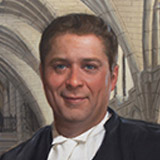
Hon. Andrew Scheer
Speaker of the House
Ruling Text
The Deputy Speaker:
I am now prepared to give a ruling on a point of order raised yesterday by the hon.
Member for Toronto Centre regarding a statement made by the Minister of Public Safety in the course of debate on Bill C-4.
When the point of order was raised, I undertook to review the transcript and, if necessary, return to the House with a ruling on that matter. Having done so, the Chair finds that the words used by the Minister were unparliamentary.
However, the Chair notes that the Minister did rise to clarify his remarks, stating that he "certainly did not mean any intention to commit a criminal offence by this Member or any other Member". Given this clarification by the Minister, the Chair is prepared to take him at his word and consider the matter closed.
However, let me take this opportunity, in these early days of the Forty-First Parliament, to remind the Minister and all Members that this kind of statement will not be tolerated.
I enjoin all Members to avoid all statements that impute unworthy motives to Members..
[1]
Debates, June 21, 2011, p. 597.
Edit Metadata
Holding
"The Minister's words were unparliamentary, but the matter is considered closed due to his subsequent clarification of intent."
AI Summary
The Speaker ruled that a Minister's words were unparliamentary but closed the matter after the Minister provided a clarification.
AI Analysis
- Outcome
- Other
- Tone
- Stern
- Procedural Stage
- Government Orders
- Significance
Low
High