Statement
April 6, 2006
Chair's statement: guidelines for the conduct of take-note debates
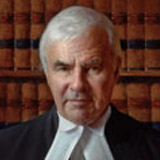
Hon. Peter Milliken
Speaker of the House
Ruling Text
Skip to main content
Parliament of Canada
Visit Parliament
Visit
Français
FR
Share
Email
Facebook
LinkedIn
Twitter
Menu
Parliamentary Business
Parliamentary Business - Home
The House
Sitting Calendar
House Publications
Bills (LEGIS
info
)
Written Questions
Petitions
Votes
Search the Debates (Hansard)
Status of House Business
Committees
List of Committees and Overview
Meetings
Bills in Committee (LEGIS
info
)
Studies, Activities and Reports
Search the Transcripts
Participate
Resources
Procedural Information
Library of Parliament
Legislative Summaries
Research Publications
Parliamentary Historical Resources
(1867-1993)
Parliamentary Diplomacy
Parliamentary Diplomacy - Home
Speakers' Activities
Parliamentary Associations
Visits and Events
Conferences
Parliamentary Officers' Study Program
Members
Members - Home
Members and Roles
Members of Parliament
The Speaker
Ministry (Cabinet)
Parliamentary Secretaries
Party Leaders and other House Officers
Related Information
Party Standings
Seating Plan
Members' Expenditures
Registry of Designated Travellers
A Member's Typical Week
Resources
Contact Members of Parliament
Constituencies
Library of Parliament
Historical Information (PARLINFO)
Participate
Participate - Home
The House
Attend Live Debates
Watch and Listen to Chamber Proceedings
Create or Sign a Petition
A Typical Week at the House
Contact a Member of Parliament
Follow a Bill (LEGIS
info
)
Committees
Attend Meetings
Watch and Listen to Committee Proceedings
Current Consultations
How to Submit a Brief and Appear
Layout of a Typical Committee Room
Contact a Committee
Resources
Procedural Information
Library of Parliament
Classroom Activities
Teacher Resources
Teachers Institute
About the House
About the House - Home
Transparency and accountability
Board of Internal Economy
By-Laws and Policies
Members' Allowances and Services
House Administration
Reports and Disclosure
Conflict of Interest Code for Members
Accessibility
Arts and Heritage
History, Art and Architecture
Future of the Parliamentary Precinct
Memorial Chamber
Carillon
In pictures
Virtual Tour of the House
Live Hill Cam
Photo Gallery
Employment
Employment - Home
Working for the administration
Current Opportunities at the House of Commons
Eligibility and Selection
General Application
Who We Are and What We Offer
Student Opportunities
Student Employment
Page Program
Parliamentary Internship Programme
Working for a Member of Parliament
Current Listed Opportunities Working for a Member of Parliament
Search
Search
Search
Search Source
Full website
Member
Bill
Topic
Petition
Writen Question
Parliamentary Business
Parliamentary Business - Home
The House
Sitting Calendar
House Publications
Bills (LEGIS
info
)
Written Questions
Petitions
Votes
Search the Debates (Hansard)
Status of House Business
Committees
List of Committees and Overview
Meetings
Bills in Committee (LEGIS
info
)
Studies, Activities and Reports
Search the Transcripts
Participate
Resources
Procedural Information
Library of Parliament
Legislative Summaries
Research Publications
Parliamentary Historical Resources
(1867-1993)
Parliamentary Diplomacy
Parliamentary Diplomacy - Home
Speakers' Activities
Parliamentary Associations
Visits and Events
Conferences
Parliamentary Officers' Study Program
Members
Members - Home
Members and Roles
Members of Parliament
The Speaker
Ministry (Cabinet)
Parliamentary Secretaries
Party Leaders and other House Officers
Related Information
Party Standings
Seating Plan
Members' Expenditures
Registry of Designated Travellers
A Member's Typical Week
Resources
Contact Members of Parliament
Constituencies
Library of Parliament
Historical Information (PARLINFO)
Participate
Participate - Home
The House
Attend Live Debates
Watch and Listen to Chamber Proceedings
Create or Sign a Petition
A Typical Week at the House
Contact a Member of Parliament
Follow a Bill (LEGIS
info
)
Committees
Attend Meetings
Watch and Listen to Committee Proceedings
Current Consultations
How to Submit a Brief and Appear
Layout of a Typical Committee Room
Contact a Committee
Resources
Procedural Information
Library of Parliament
Classroom Activities
Teacher Resources
Teachers Institute
About the House
About the House - Home
Transparency and accountability
Board of Internal Economy
By-Laws and Policies
Members' Allowances and Services
House Administration
Reports and Disclosure
Conflict of Interest Code for Members
Accessibility
Arts and Heritage
History, Art and Architecture
Future of the Parliamentary Precinct
Memorial Chamber
Carillon
In pictures
Virtual Tour of the House
Live Hill Cam
Photo Gallery
Employment
Employment - Home
Working for the administration
Current Opportunities at the House of Commons
Eligibility and Selection
General Application
Who We Are and What We Offer
Student Opportunities
Student Employment
Page Program
Parliamentary Internship Programme
Working for a Member of Parliament
Current Listed Opportunities Working for a Member of Parliament
Search
Search
Search
Search Source
Full website
Member
Bill
Topic
Petition
Writen Question
Search all ProceduralInfo
Overview
Procedure and Practice
Standing Orders
Speakers' Decisions
Our Procedure
Glossary
Selected Decisions of Speaker Peter Milliken
2001 - 2011
Selected Decisions
Peter Milliken
Special Debates
Take-note Debates
Table of Contents
Previous
Next
Special Debates / Take-note Debates
Chair’s statement: guidelines for the conduct of take-note debates
April 6, 2006
Debates,
p. 125
Context
On April 6, 2006, pursuant to an Order made on April 5, 2006,
[1]
the House resolved itself into a Committee of the Whole to consider a motion of Rob Nicholson (Leader of the Government in the House of Commons and Minister for Democratic Reform) on agricultural issues. Before proceeding with the debate, the Chair of Committees of the Whole (Bill Blaikie) made a statement explaining the rules governing take-note debates.
[2]
Statement of the Chair
The Chair:
Honourable Members, I would like to open this session of Committee of the Whole by making a short statement about take-note debates. This may be the first time some Members participated in such a debate so I want to explain how we will proceed.
This evening’s debate is a general one on agricultural issues. As is the case for all proceedings of the Committee of the Whole, Members need not be in their own seats to be recognized.
Each Member will be allocated 10 minutes for debate and each speech is subject to a 10-minute question and comment period. Although Members may speak more than once, the Chair will generally try to ensure that all Members wishing to speak are heard before inviting Members to speak again while respecting the proportional party rotations for speakers.
During the 10-minute period for questions and comments there are no set time limits on each intervention. I will work to allow as many Members as possible to participate in this part of the proceedings and ask for the cooperation of all Members in keeping their interventions as succinct as possible.
As Chair, I will be guided by the rules of the Committee of the Whole. However, in the interest of a full exchange, I will exercise discretion and flexibility in the application of these rules.
In turn, I would ask all hon. Members to exercise caution during this evening’s debate. It is very important to respect the traditions of the House in terms of decorum. The Members must exercise judgment in their comments and questions so that order is maintained.
May I also remind Members that even in Committee of the Whole Ministers and Members should be referred to by their title or riding name and, of course, all remarks should be addressed through the Chair. I ask for everyone’s cooperation in upholding all established standards of decorum, parliamentary language and behaviour.
The first round of speakers will be the usual all party round, namely, the Government, the Official Opposition, the Bloc Québécois and the New Democratic Party. After that, we will follow the usual proportional rotation.
At the end of this evening’s debate, the Committee shall rise and the House shall adjourn until tomorrow.
We may now begin this evening’s session.
Some third-party websites may not be compatible with assistive technologies. Should you require assistance with the accessibility of documents found therein, please contact
accessible@parl.gc.ca
.
[1]
Debates, April 5, 2006,
p. 47
, Journals,
p. 23
.
[2]
Debates, April 6, 2006,
p. 125
.
For questions about parliamentary procedure, contact the Table Research Branch
613-996-3611
trbdrb@parl.gc.ca
Top of page
Senate
Library of Parliament
Parliamentary Protective Service
Employment at Parliament
Follow Us
Important Notices
Open Data
Info for Media
Site Map
Accessibility
Contact Us
Edit Metadata
Holding
"The Chair outlined guidelines for take-note debates, reminding Members that they are for non-partisan discussion and that the usual rules of debate regarding relevance, repetition, brevity, and respectful language apply."
AI Summary
The Speaker provides guidelines for take-note debates, emphasizing their non-partisan purpose and the application of standard rules of decorum and relevance.
AI Analysis
- Outcome
- Other
- Tone
- Educational
- Procedural Stage
- Routine Proceedings
- Significance
Low
High