Ruling
May 29, 2000
Presenting Petitions: use of an electronic format not allowed
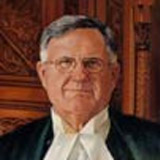
Hon. Gilbert Parent
Speaker of the House
Ruling Text
The Deputy Speaker:
As the honourable member for Témiscamingue pointed out, the Standing Orders are fairly clear on this point. I refer to Standing Order 36(2)(f), which states:
36. (2) In order to be certified, pursuant to section (1) of this Standing Order, every petition shall:...
(f) contain only original signatures and addresses written directly onto the petition and not pasted thereon or otherwise transferred to it;...
Under these circumstances, it is difficult for the Chair to do other than insist that petitions be presented in the form required under the Standing Orders of the House of Commons.
However, if the honourable member himself, or through his colleagues who are members of the Standing Committee on Procedure and House Affairs, wishes to raise the matter with the committee, perhaps it can recommend changes to the Standing Orders which can be passed by the House, thus helping the honourable member with the problem he has so ably described.
I urge the honourable member for Témiscamingue to find a way to raise this issue with the committee I have mentioned. I am sure that the committee Chair, who is now in the House, has listened carefully to the point raised and to the Speaker's ruling under the circumstances.
P0307-e 36-2 2000-05-29
Edit Metadata
Holding
"Petitions must contain original signatures written directly onto the document as required by Standing Order 36(2)(f); electronic formats or pasted signatures are not permitted."
AI Summary
The Chair ruled that electronic petitions are not permissible as Standing Order 36(2)(f) requires original, physical signatures.
AI Analysis
- Outcome
- Sustained
- Tone
- Conciliatory
- Procedural Stage
- Routine Proceedings
- Significance
Low
High