Ruling
June 4, 1992
Unparliamentary language: expression "traitor"
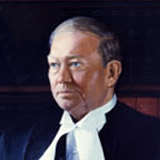
Hon. John Fraser
Speaker of the House
Ruling Text
Mr. Speaker:
Perhaps I can assist the House. I have listened very carefully to interventions from both colleagues who have been in this place a long time.
First of all, I have ruled that the comments that were made are unacceptable and they are unparliamentary and they are to be withdrawn.
Second, if they are not withdrawn, then I shall find my own way to discipline that particular Member.
They are absolutely unacceptable. The honourable Member knows they are unacceptable. If the honourable Member wants to rise in his place and address this Chamber again, the honourable Member is going to have to withdraw.
(Prior to the recording of a division) Mr. Speaker:
There has been a problem during Question Period concerning a statement made by the honourable Member for Shefford. The honourable Member has a long experience in the House of Commons. I have asked him to withdraw his remarks. I think I must ask the honourable Member again to withdraw his remarks.
I would like to ask the honourable Member, who, as I mentioned earlier, has seen many years of service in this place, if after some reflection he would be prepared to withdraw the remarks that were made. I would hope that the honourable Member could find his way clear to do that. I will hear the honourable Member.
Postscript Mr. Lapierre rose and withdrew his remarks.
F0724-e 34-3 1992-06-04.
[1]
Debates, June 4, 1992, pp. 11413-4.
[2]
Debates, June 4, 1992, pp. 11413-6.
Edit Metadata
Holding
"The expression 'traitor' is unparliamentary and must be withdrawn by the Member who uttered it, or the Chair will impose discipline."
AI Summary
The Speaker rules the word 'traitor' is unparliamentary and compels the offending Member to withdraw the remark under threat of discipline.
AI Analysis
- Outcome
- Sustained
- Tone
- Stern
- Procedural Stage
- Question Period
- Significance
Low
High