Ruling
June 18, 1987
Motion that a Member be now heard: receivability; previously recognized Member had already begun speaking
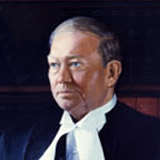
Hon. John Fraser
Speaker of the House
Ruling Text
Mr. Speaker:
The honourable Member has risen and moved a traditional motion that another Member be now heard.
It is important that all honourable Members and the public that is watching understand exactly what this procedure is, because it is a very difficult one for the Chair.
I am going to refer to what the procedural law is in this matter so that there is no misunderstanding. I am referring to a ruling of Speaker Sauvé on October 27, 1983. It is as follows:
"Members may on a point of order ask that an honourable Member be now heard as long as no other Member has the floor legitimately." Beauchesne states that a motion that a Member be now heard must be moved before the Member recognized has begun speaking. If the Member recognized has simply said "Madam Speaker," that is enough to be in possession of the House and, therefore, under those circumstances a motion that another Member be now heard is not in order.
[2]
There is always a difficulty for the Chair in these cases, because there is what amounts to a physical contest for the floor. However, in this case, clearly the honourable Member for Yorkton—Melville had begun to speak, and I must advise the honourable Member [for Durham—Northumberland] that he is out of order. The honourable Member for Yorkton—Melville has the floor.
F0702-e 33-2 1987- 06-18.
[1]
Debates, June 18, 1987, p. 7305.
[2]
Debates, October 27, 1983, p. 28391.
Edit Metadata
Holding
"A motion 'that a Member be now heard' is only in order if moved before the Member recognized by the Chair has begun to speak."
AI Summary
The Speaker ruled a motion 'that another Member be now heard' out of order because the originally recognized Member had already begun speaking.
AI Analysis
- Outcome
- Denied
- Tone
- Educational
- Procedural Stage
- Debate
- Significance
Low
High