Ruling
March 19, 1987
Presenting reports from committees: right of opposition parties to comment on report
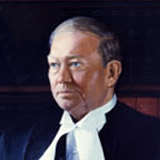
Hon. John Fraser
Speaker of the House
Ruling Text
The Speaker:
Perhaps the Chair could assist honourable Members. What has happened here is that pursuant to the Standing Orders, the honourable Member for Calgary West, as Chairman of the Committee, has reported to the House on a report from that Committee concerning the whole question of unemployment insurance, and it is clearly a very important matter. The honourable Member for Calgary West has also commented on the fact which is, I think, a credit to the Committee, if the Chair can say so, that there was great unanimity and that Members of all parties collaborated and worked very hard on the committee report. The report has already received some attention in the news and it is perhaps not too hard to understand why the Chairman of the Committee wished to say a few more words than a Committee Chairman would ordinarily do when bringing in a report of such nature to the House.
What has happened is that other honourable Members have risen and said that when there is a statement like that, perhaps it would be appropriate if representations from the Official Opposition and the New Democratic Party were also permitted. I take it literally that the Chair is being asked if the Chair could accede to that request at this time. I draw to the attention of honourable Members [Standing Order] 99(1) which states:
Reports to the House from committees may be made by Members standing in their places, at the time provided pursuant to Standing Order 19(3) or 82(15)(c), provided that the Member may be permitted to give a succinct explanation of the subject-matter of the report.
This House can do anything by consent, of course. If it were the disposition of the House at any given time, on any particular report, to hear as well from representatives of the other parties, and if the House agreed, then that of course would be completely appropriate. However, the Chair is in the position, in this case, of having to look to the rule. On some other occasion, and even on this occasion, the Chair does not, under any circumstances, wish to close off legitimate comment or what might even become debate, if it were the wish of the House to do so. However, I think that under the circumstances, the Chair must adhere to the rule and say to honourable Members and to the honourable Member for Notre-Dame-de-Grâce—Lachine East, the honourable Member for Nickel Belt and the honourable Member for Montreal—Sainte-Marie, that looking at the rule, the Chair cannot unilaterally take away from that rule and give the permission requested. In saying this, the Chair is in no way diminishing the importance of the matter. As the Chair indicated a few moments ago, and I think I am quite permitted to say it again, the House, and the country as well, owes a great deal to the work of all parties in the preparation of this report.
F0321-e 33-2 1987-03-19.
[1]
Debates, March 19, 1987, pp. 4325-7.
Edit Metadata
Holding
"The Chair cannot unilaterally permit members from opposition parties to comment on a committee report at the time of its presentation, as the Standing Orders restrict this moment to a succinct explanation by the committee's chair."
AI Summary
The Speaker ruled that Standing Orders only permit the committee chair to give a succinct explanation when tabling a report, and opposition members cannot comment without unanimous consent.
AI Analysis
- Outcome
- Denied
- Tone
- Conciliatory
- Procedural Stage
- Routine Proceedings
- Significance
Low
High