Ruling
November 7, 1986
Presenting Petitions: attempt to present one or more additional petitions during the same sitting
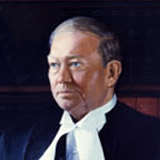
Hon. John Fraser
Speaker of the House
Ruling Text
The Speaker:...I want the facts to be clearly understood. For the clarification of all members and those who are watching these proceedings, the honourable member is asking to present one or more additional petitions after having already presented petitions.
The process in the House has been that under the presentation of petitions during Routine Proceedings a member who rises and is recognized by the Chair can present one, several or many petitions at that time. The petitions do not have to be all on the same subject, nor do they have to all come from the same part of the country. The practice has also been that, once having presented petitions, that particular member cannot take his seat and rise again later to present another petition.
I draw to the attention of all honourable members the ruling of former Speaker Sauvé on October 28, 1983. Speaker Sauvé then said:
I warn honourable members that if they have several petitions they should file them all when they are recognized, because I will not recognize members twice on petitions.
[2]
On June 11, 1985, former Speaker Bosley said:
There is no rule that says that the honourable member cannot present more than one petition. There is a practice that says a member may seek the floor once to present petitions at which time the member may try to present more than one petition.... that has been the practice for some years [3]
Lest any honourable member or the public who follows these proceedings think that the petition or petitions which the honourable member for Burnaby has in his hand is, as a consequence of this practice, being prevented from being presented to the chamber and, through the chamber, to the government of the day, I remind honourable members that there is another procedure for bringing that petition to the table, that is simply to call for a page and have the page deliver the petition to the table here in the chamber. At that time that petition will be noted just as are other petitions presented when members rise. That petition, along with the other petitions, will be transferred on that day to the appropriate office of the government of the day, which government must reply to petitions within 45 days.
Clearly, this practice does not preclude citizens of the country from having their petitions brought before the government. Members who, perhaps due to the press of duties or forgetfulness, do not present all the petitions they have while on their feet, can always return on the next sitting day of this House and apply to present the petitions and say some words in support of them.
Therefore, the honourable member's petition can, of course, be tabled. The citizens of the country who have signed that petition will have it properly dealt with. There are, therefore, two consistent precedents by which the Chair is bound. I have to rule against the honourable member for Burnaby...
F0326-e 33-2 1986-11-07.
[1]
Debates, November 7, 1986, pp. 1188-90.
[2]
Debates, October 28, 1983, p. 28457.
[3]
Debates, June 11, 1985, p. 5649.
Edit Metadata
Holding
"A member may only be recognized once during a single sitting's Routine Proceedings to present petitions; any additional petitions may be tabled via a page or presented on a subsequent day."
AI Summary
A Speaker's ruling confirms the established practice that a Member may only be recognized once per sitting to present petitions during Routine Proceedings.
AI Analysis
- Outcome
- Denied
- Tone
- Educational
- Procedural Stage
- Routine Proceedings
- Significance
Low
High