Ruling
March 15, 1985
Time limits, bell ringing
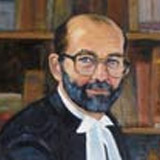
Hon. John Bosley
Speaker of the House
Ruling Text
There are differences between the wording of Standing Order 82, dealing with time allocation, and Standing Order 35(2), dealing with the length of speeches at second reading. In a similar set of circumstances during consideration of Bill C-151 (Borrowing Authority Act) on May 17, 1983, there were 84 minutes of debate remaining when the House resumed consideration. After five minutes of debate, a motion to adjourn the House was moved. The bells had rung for six hours and 48 minutes when the adjournment motion lapsed. When debate resumed on May 26, the bill was de bated for a further 79 minutes, during which 20-minute speeches followed by ten-minute question-and-comment periods were allowed. A motion for adjournment is a distinct question and supersedes the question under consideration. It must be disposed of before debate on the original question can be resumed..
Sources cited Standing Orders 35(2), 82.
Debates, May 17, 1983, p. 25530.
May, 20th ed., p. 385.
Abraham and Hawtrey's Parliamentary Dictionary, 3rd ed. (London, 1970), p. 91.
Wilding and Laundy, An Encyclopedia of Parliament, 4th ed. (London, 1972), pp. 205-6.
References Debates, March 14, 1985, pp. 3033-5; March 15, 1985, pp. 3059-60.
Edit Metadata
Holding
"Time spent resolving a superseding motion, such as a motion to adjourn, does not count against the time allocated for debate on the original question."
AI Summary
This ruling clarifies that time spent on a dilatory motion to adjourn does not count against the time allocated for debate on a bill.
AI Analysis
- Outcome
- Other
- Tone
- Educational
- Procedural Stage
- Government Orders
- Significance
Low
High