Ruling
June 18, 1984
Member may only speak once to the same motion
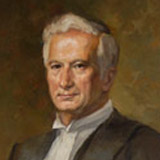
Hon. Lloyd Francis
Speaker of the House
Ruling Text
<div class="DecisionMain" role="main">
<p class="decision-chapter">Rules of Debate - Order and Decorum / Miscellaneous</p>
<div>
</div>
<p class="d-DecisionDate">
<time>June 18, 1984</time>
</p>
<p class="e-Debates">Debates <a href="https://parl.canadiana.ca/view/oop.debates_HOC3202_04/880?r=0&s=1">pp. 4736-7</a></p>
<div>
<h2 class="f-ContextResoEdNotePostscriptTitle">Background</h2>
</div>
<p class="g-ContextResoEdNotePostscript">During report stage consideration of Bill C-9, the Canadian Security Intelligence Service Act, Mr. Miller (Nanaimo—Alberni) moved the adjournment of the House. This was ruled out of order by the Acting Speaker (Mr. Herbert) as there was a Special Order in effect governing the hours of sitting of the House. The Acting Speaker then recognized another Member on debate. Later in the debate Mr. Miller rose on a point of order. He pointed out that after the Acting Speaker had ruled his motion out of order he had sought to be recognized for debate and had not been seen by the Chair. The Acting Speaker ruled immediately.</p>
<h2 class="f-ContextResoEdNotePostscriptTitle">Issue</h2>
<p class="g-contextResoEdNotePostscript">Is a Member who proposes a dilatory motion which is ruled out of order considered to have spoken to the question before the House?</p>
<h2 class="f-ContextResoEdNotePostscriptTitle">Decision</h2>
<p class="g-contextResoEdNotePostscript">Yes. The Member is considered to have spoken on the question and cannot be recognized a second time.</p>
<h2 class="f-ContextResoEdNotePostscriptTitle">Reasons given by the Acting Speaker</h2>
<p class="g-contextResoEdNotePostscript">Standing Order 41 states that no Member, unless otherwise provided by Standing or Special Order, may speak twice to a question. Rising to propose a motion not acceptable to the Chair means the Member has spoken to the question.</p>
<div class="FootnoteContainer"><div "="" class="alert alert-info"><p>Some third-party websites may not be compatible with assistive technologies. Should you require assistance with the accessibility of documents found therein, please contact <a href="mailto:accessible@parl.gc.ca">accessible@parl.gc.ca</a>.</p></div>
<h2 class="f-ContextResoEdNotePostscriptTitle">Sources cited</h2>
<p class="g-contextResoEdNotePostscript">Standing Order 41.</p>
<h2 class="f-ContextResoEdNotePostscriptTitle">References</h2>
<p class="g-contextResoEdNotePostscript">Debates, June 18, 1984, <a href="https://parl.canadiana.ca/view/oop.debates_HOC3202_04/876?r=0&s=1">p. 4732</a>.</p>
</div>
</div>
Edit Metadata
Holding
"A Member is permitted to speak only once to the same motion during debate."
AI Summary
The Speaker affirms the parliamentary rule that a Member may only speak once to any given motion.
AI Analysis
- Outcome
- Other
- Tone
- Educational
- Procedural Stage
- Government Orders
- Significance
Low
High