Question of Privilege
November 9, 1978
Deceiving the House
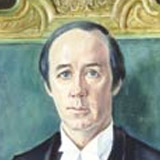
Hon. James Jerome
Speaker of the House
Ruling Text
The complaint was raised at the earliest opportunity.
The letter from the Solicitor General to Mr. Lawrence can be considered a proceeding in Parliament for the purpose of privilege.
A contempt committed during one Parliament may be punished by another.
The motion of Mr. Lawrence was originally drafted in a version which seemed to make a declaration of fact finding that contempt had taken place. This form departs from previous motions of privilege which have been accepted. In consultation with the Table Officers, Mr. Lawrence has revised his motion in a way which is less likely to damage the precedents in respect of these kinds of motions.
There is no procedural basis on which the Speaker can take into account the sub judice convention since the McDonald Commission is not a court. "There is no verdict to be given, and therefore no prejudice could result from discussion in this House parallel to the discussion taking place before that Royal Commission."
Edit Metadata
Holding
"A prima facie case of contempt exists, as the minister's letter is a proceeding in Parliament, the matter can be judged by a subsequent Parliament, and the sub judice convention does not apply to a Royal Commission."
AI Summary
The Speaker found a prima facie case of contempt, ruling that a minister's letter is a proceeding in Parliament and the sub judice convention does not apply to a Royal Commission.
AI Analysis
- Outcome
- Other
- Tone
- Educational
- Procedural Stage
- Question of Privilege
- Significance
Low
High