Ruling
December 15, 1975
Motions in amendment, infringing on financial initiative of the Crown
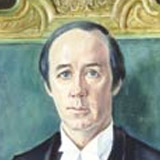
Hon. James Jerome
Speaker of the House
Ruling Text
<div class="DecisionMain" role="main">
<p class="decision-chapter">Amendments to the Content of Bills / Report Stage</p>
<p class="d-DecisionDate">
<time>December 15, 1975</time>
</p>
<p class="e-Debates">Journals <a href="https://parl.canadiana.ca/view/oop.HOC_3001_121_02/183">pp. 935</a>, <a href="https://parl.canadiana.ca/view/oop.HOC_3001_121_02/185">937</a></p>
<p class="e-Debates">Debates <a href="https://parl.canadiana.ca/view/oop.debates_HOC3001_10/174?r=0&s=1">pp. 10006</a>, <a href="https://parl.canadiana.ca/view/oop.debates_HOC3001_10/190?r=0&s=1">10022</a></p>
<div>
<h2 class="f-ContextResoEdNotePostscriptTitle">Background</h2>
</div>
<p class="g-contextResoEdNotePostscript">As consideration of the report stage of Bill C-69, an Act to amend the Unemployment Insurance Act, 1971, was about to begin, the Speaker made a statement to the House as to the procedural acceptability of the motions in amendment which had been filed. Two of the motions, 4 and 6, standing in the name of Mr. Rodriguez (Nickel Belt) appeared to be out of order in the opinion of the Chair. The effect of the motions was "to introduce into the bill a concept larger than that originally envisaged in the Royal Recommendation in that they would extend the qualifying period to those who are on strike lawfully and to those who are out of work for the purpose of establishing a self-employed operation. Both would appear to increase benefits by extending the period of qualification." Despite these misgivings, the Speaker indicated that he was willing to hear arguments from Members when the motions were called later that day.</p>
<h2 class="f-ContextResoEdNotePostscriptTitle">Issue</h2>
<p class="g-contextResoEdNotePostscript">Are motions in amendment acceptable if they propose or involve an expenditure of money which has not been sanctioned by a Royal Recommendation?</p>
<h2 class="f-ContextResoEdNotePostscriptTitle">Decision</h2>
<p class="g-contextResoEdNotePostscript">No, they are not acceptable.</p>
<h2 class="f-ContextResoEdNotePostscriptTitle">Reasons given by the Deputy Speaker</h2>
<p class="g-contextResoEdNotePostscript">Any expenditure of money has to be accompanied by a Royal Recommendation. In this particular case, the Royal Recommendation does not specify the categories of people to be included or excluded from the unemployment insurance; however, the bill to which the Royal Recommendation is attached does. In the judgment of the Chair "the Royal Recommendation is limited by the bill."</p>
<p class="g-contextResoEdNotePostscript">May's 18th edition states that amendments or new clauses creating public charges cannot be proposed.</p>
<h2 class="f-ContextResoEdNotePostscriptTitle">Authorities cited</h2>
<p class="g-contextResoEdNotePostscript">Beauchesne, 4th ed., pp. 206-7, c. 246. </p>
<p class="g-contextResoEdNotePostscript">May, 18th ed., pp. 508-10.</p>
<h2 class="f-ContextResoEdNotePostscriptTitle">References</h2>
<p class="g-contextResoEdNotePostscript">Journals, December 15, 1975, <a href="https://parl.canadiana.ca/view/oop.HOC_3001_121_02/184">pp. 936-7</a>.</p>
</div>
Edit Metadata
Holding
"Motions in amendment are out of order if they infringe on the financial initiative of the Crown, which exclusively grants the government the power to propose measures that spend public money or impose taxes."
AI Summary
A ruling clarifying that private members' amendments cannot increase spending or alter the purpose of a financial measure due to the principle of the financial initiative of the Crown.
AI Analysis
- Outcome
- Other
- Tone
- Educational
- Procedural Stage
- Government Orders
- Significance
Low
High
AI Keywords
Cited Authorities
- House of Commons Procedure and Practice (3rd)
- Erskine May's treatise on the law, privileges, proceedings and usage of Parliament (25th)