Ruling
April 25, 1966
Private Members' bills
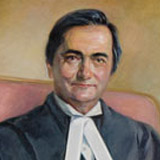
Hon. Lucien Lamoureux
Speaker of the House
Ruling Text
It is not the responsibility of the Speaker to give a decision upon a constitutional or legal question. The Chair does have the duty, however, to determine whether the bill interferes with the Queen's prerogatives and to ensure that the proper procedure is followed respecting the consent of the Crown. The bill purports to delete sections of the Criminal Code that give certain statutory powers to the Governor in Council respecting pardon and commutation of sentence. The bill does not amend another section of the Code that specifically states that the other sections do not in any manner affect the royal prerogative of mercy. Because of this, as well as the fact that it is the passing of a 'bill, rather than its introduction, that can constitute an infringement of the royal prerogative, the motion for leave to introduce such a bill is in order.
Edit Metadata
Holding
"A motion for leave to introduce a bill potentially affecting the royal prerogative is in order, as any infringement is only considered at the time of the bill's passage, not its introduction."
AI Summary
The Speaker ruled that a Private Member's bill on pardons could be introduced as it did not procedurally infringe on the royal prerogative at this stage.
AI Analysis
- Outcome
- Denied
- Tone
- Educational
- Procedural Stage
- Private Members' Business
- Significance
Low
High